



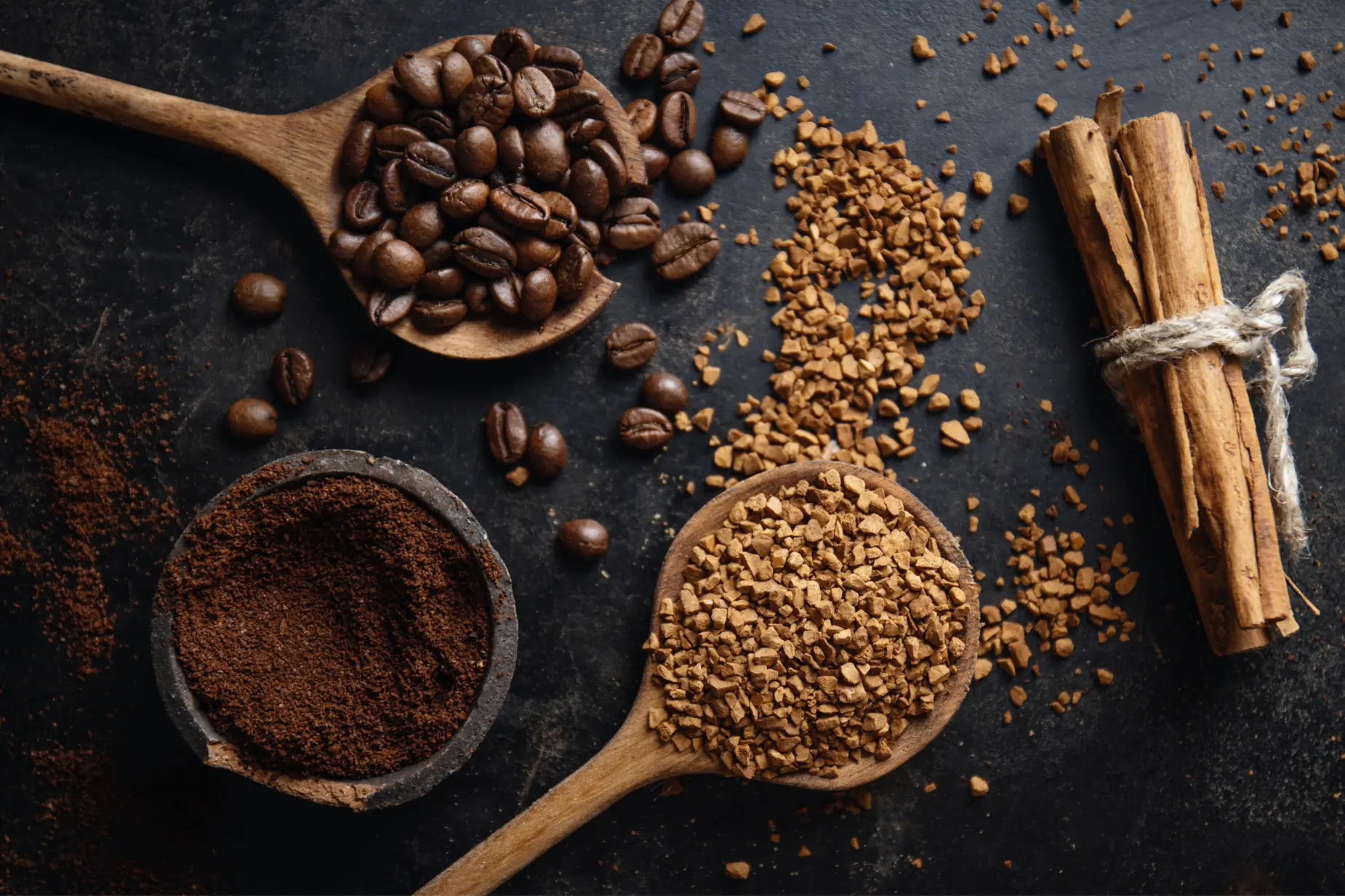
What Makes South Indian Coffee Unique in the World?
Ask anyone who grew up in Tamil Nadu, Karnataka, or Kerala what their earliest morning memory is, and there is a good chance coffee features somewhere in it. Not a pod machine. Not a cold brew. A steel tumbler, a dabara, and the sound of decoction being poured from one to the other in long, practised arcs — cooling it, aerating it, filling the kitchen with an aroma that is unlike anything else in the world.
That cup — humble, unhurried, deeply familiar — is the best South Indian coffee. And it is increasingly catching the attention of the global coffee market, not as a novelty, but as a genuinely distinctive product with a story, a science, and a culture behind it that sets it apart from every other coffee tradition on earth.
It Begins With Where It Grows
South India is home to some of the most unique coffee-growing conditions on the planet. The Western Ghats — stretching across Karnataka, Kerala, and Tamil Nadu — provide elevation, rainfall, and a rich biodiversity that shapes the character of the beans grown there in ways that cannot be replicated by farming alone.
What makes this region especially distinctive is the tradition of shade-grown coffee. Unlike the open sun plantations common in parts of Brazil and Vietnam, South Indian coffee is typically grown under a canopy of silver oak, pepper vines, cardamom, and other spice-bearing trees. This slower growth under filtered light produces a denser bean with a more complex flavour profile — lower in acidity, richer in body, and carrying subtle notes of spice and earthiness that reflect the ecosystem around them.
Arabica from Coorg and Chikmagalur is prized for its mild sweetness and clean finish. Robusta from Wayanad and the Shevaroys brings boldness, body, and the strength that South Indian coffee is famous for. Together — and in the right blends — they form the backbone of what coffee exporters in India have been supplying to global markets for generations.
The Chicory Secret
If shade-grown beans are the body of South Indian coffee, chicory is its soul — and it is perhaps the single most misunderstood element of this tradition outside of India.
Chicory is the roasted root of the Cichorium intybus plant. When ground and blended with coffee, it adds a deep, slightly bitter, almost caramel-like quality that extends the body of the cup and reduces the overall caffeine content. In South India, blending coffee with chicory is not a cost-cutting exercise — it is a deliberate flavour decision that has been refined over generations.
The ratio matters enormously. An 80:20 blend — eighty parts coffee to twenty parts chicory — gives you a full-bodied cup with just enough chicory character to add depth without dominating. A 70:30 blend pushes the chicory further forward, producing the intensely strong, syrupy decoction that is the foundation of the classic South Indian filter coffee. Each household, each region, each generation has its own preference — and the best South Indian coffee producers understand how to serve all of them.
At Narasu’s, we have been blending coffee and chicory since 1926. We offer ratios from 90:10 all the way to 55:45 — in both roast & ground and instant formats — because we understand that this is not a one-size-fits-all tradition. It is a deeply personal one.
The Filter Method — A Brewing Culture of Its Own
South Indian coffee is also defined by how it is brewed. The traditional South Indian filter — a two-part stainless steel device that is as simple as it is effective — produces a concentrated decoction through a slow percolation process. This decoction is then mixed with hot milk and sugar, and the result is a beverage of remarkable richness and complexity.
The dabara tumbler — the wide-mouthed steel cup set in a shallow dish — is not just a vessel. It is part of the brewing ritual. Pouring the coffee back and forth between the tumbler and the dabara cools it to the perfect drinking temperature while creating a light froth on the surface. It is theatre and technique in equal measure.
This brewing culture has travelled with the South Indian diaspora to every corner of the world — to the streets of Kuala Lumpur and Singapore, to the homes of Tamil families in the UK, Canada, and the UAE, and increasingly to the shelves of specialty coffee retailers who recognise something genuinely different when they taste it.
Why Global Buyers Are Paying Attention
The global coffee market is in the middle of a significant shift. Consumers are moving away from generic, commodity coffee towards products with provenance, character, and a story. South Indian coffee — with its unique growing conditions, its chicory blending tradition, and its centuries-old filter culture — has all three in abundance.
For coffee exporters in India, this is a meaningful moment. The category that was once primarily exported to South Asian diaspora communities is now attracting interest from mainstream retail buyers, specialty importers, and private label brands who see an opportunity to bring something genuinely new to their market.
Narasu’s has been part of this shift. Supplying to 40+ countries across Europe, the Middle East, Asia, Africa, Oceania, and the Americas, we have seen first-hand how appetite for authentic South Indian coffee has grown — not just among communities who know it from home, but among adventurous coffee consumers discovering it for the first time.
Nearly a Century of Getting It Right
There is a reason Narasu’s has been making the best South Indian coffee since 1926. It is not just the beans, or the blending, or the certifications, or the capacity — though all of those matter. It is the understanding that this coffee carries a culture with it. Every pack that leaves our facility in Salem is an expression of something that took generations to develop and refine.
When global buyers partner with Narasu’s, they are not just sourcing a commodity. They are accessing a century of expertise, a deeply rooted coffee tradition, and a manufacturer that understands both the heritage and the science behind every cup.
That is what makes South Indian coffee unique. And that is what we have been proud to share with the world.
About Narasu’s Exports
Narasu’s Exports is a division of Sri Narasu’s Coffee Company Private Limited — one of India’s oldest and most respected coffee manufacturers, established in 1926 in Salem, Tamil Nadu. We supply instant coffee, roast & ground coffee, chicory blends, and concentrated coffee extract to buyers in 45+ countries worldwide. For export enquiries, visit www.narasusexports.com or email [email protected].